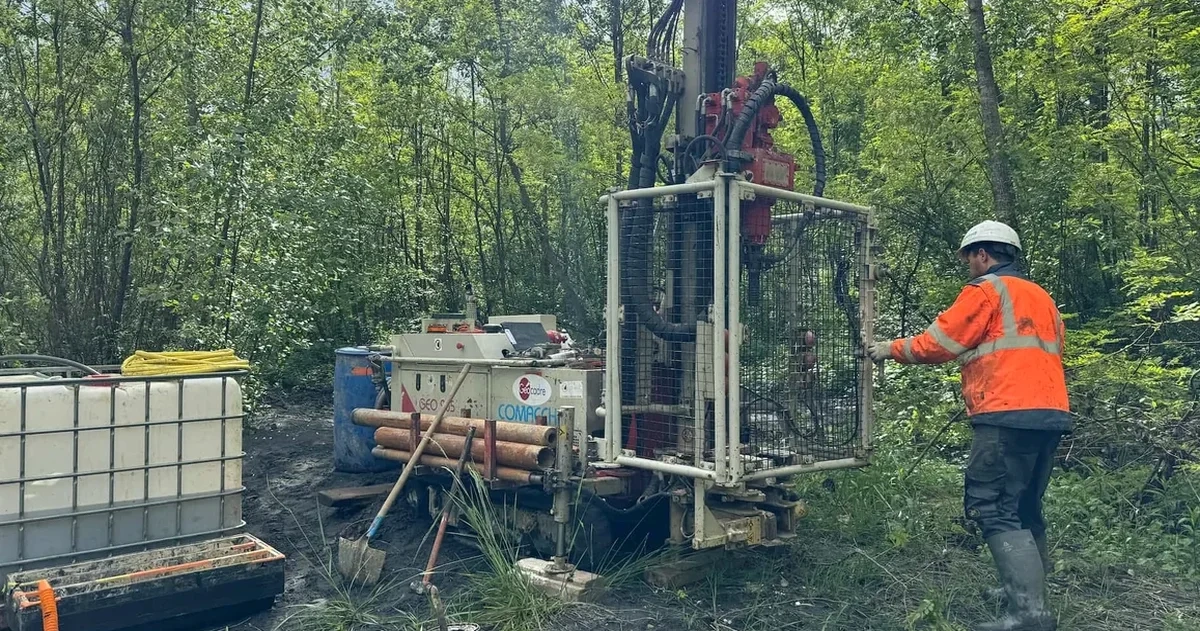
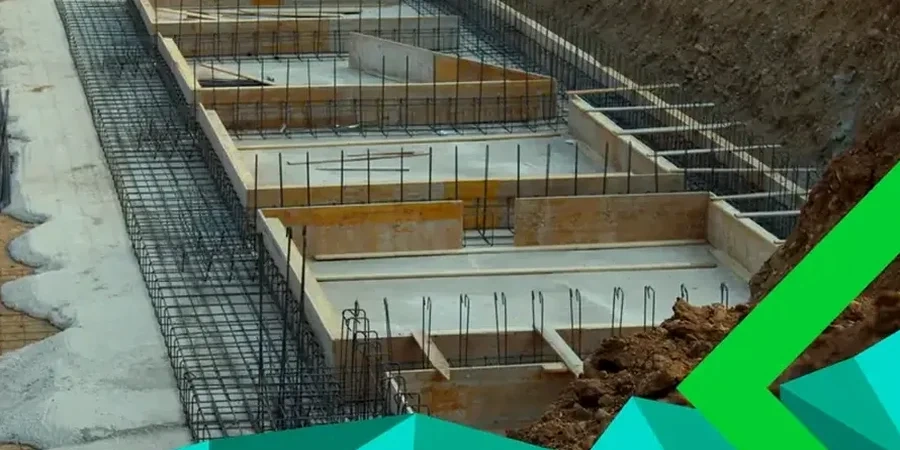
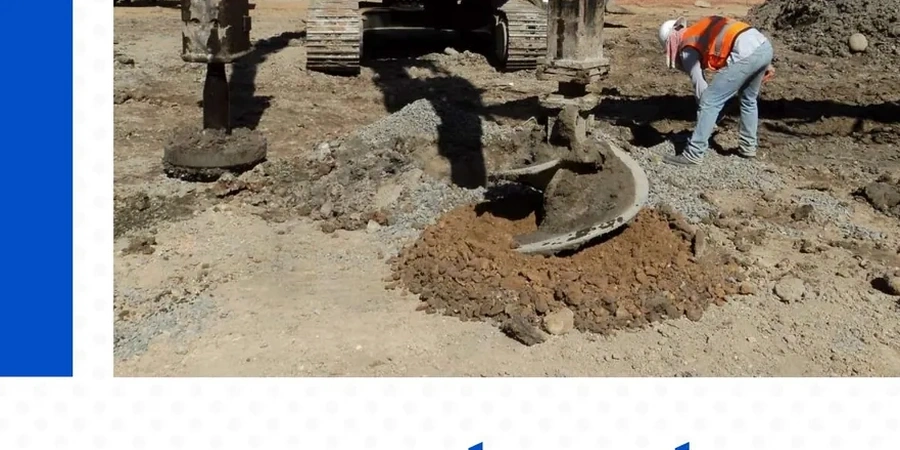
A frequent mistake in Cambridge construction is treating the ground as uniform clay and designing shallow foundations without accounting for the sharp transition between terrace gravels and the overconsolidated Gault Clay. When a soil mechanics study is omitted, differential settlement appears within the first two years—often visible in the terrace houses of Mill Road and the Victorian villas of Chesterton, where cracking follows the buried channel of the River Cam. Our approach applies BS 5930:2015+A1:2020 investigation principles and BS EN 1997-2 laboratory methods to characterise strength, compressibility, and groundwater response before the first brick is laid. For sites near the Backs or the colleges, where historic structures and high water tables coexist, we integrate the soil mechanics study with test pits to extract undisturbed block samples from the weathered zone, and often specify triaxial consolidated-undrained testing to model the clay's behaviour under long-term drained conditions.
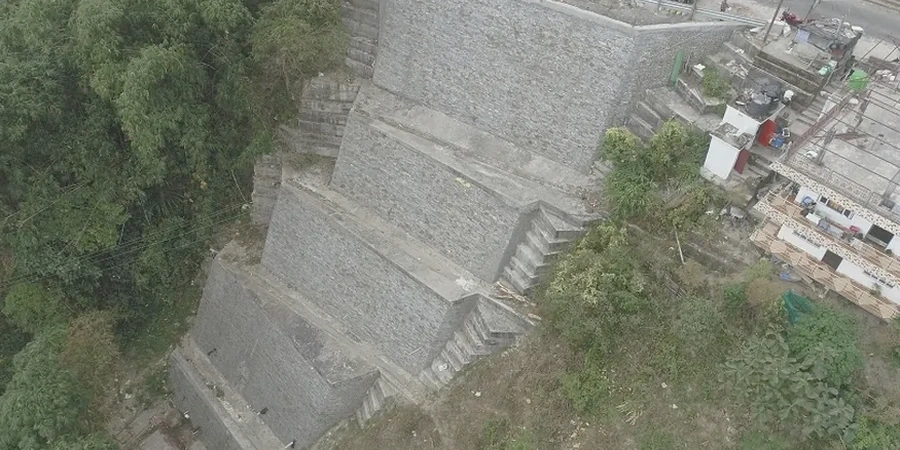
Cambridge Gault Clay can lose up to 60 percent of its peak strength along fissures—residual parameters, not peak values, govern long-term cut slope stability.