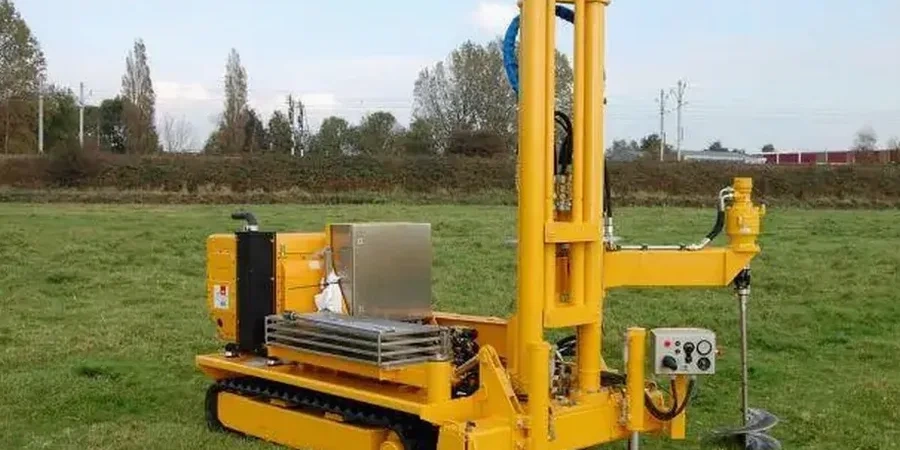
The flat fenland landscape around Cambridge masks a complex subsurface. From the stiff, overconsolidated Gault and Ampthill Clays in the west to the soft Holocene alluvium and river terrace gravels along the River Cam, the bearing stratum can shift dramatically within a single site. A standard borehole tells part of the story, but for continuous profiling, the CPT test provides a near-continuous log of tip resistance and sleeve friction that picks up thin sand lenses or peat layers often missed by conventional sampling. When we mobilise our 20-tonne CPT rig to a site in the CB postcode area, we are looking for the transition between the Terrace Deposits and the underlying competent clay — a boundary that defines the pile design for most mid-rise developments in the city.
A single CPT sounding in Cambridge's river terrace gravels can distinguish a competent bearing layer from a loose lens in less than 200 millimetres of penetration — resolution that an SPT simply cannot match.