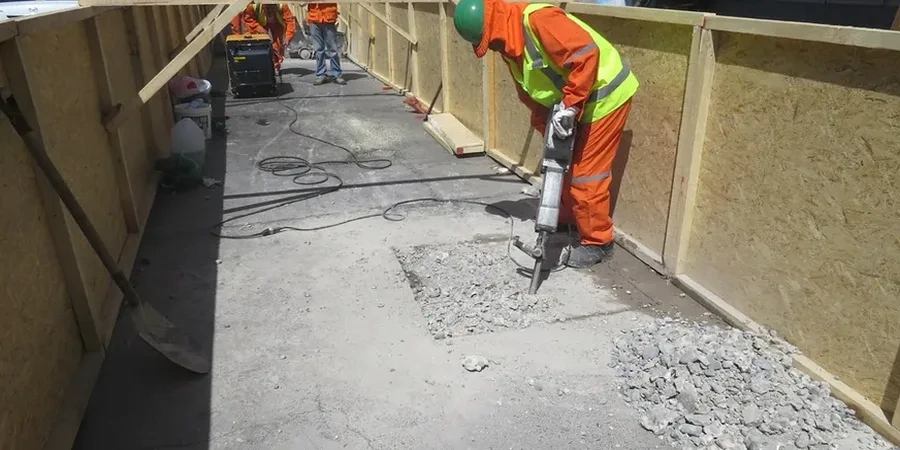
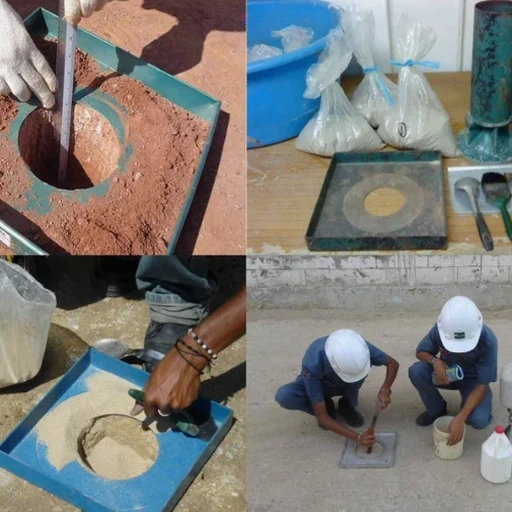
The ground beneath Cambridge tells a story that varies remarkably from one postcode to the next. Over in Cherry Hinton, you're digging into Middle Chalk that's been quarried for centuries—fractured, blocky, and surprisingly competent for a city built on soft rock. Cross the Cam toward Chesterton or the new developments north of Histon Road, and within half a mile you hit the impermeable Gault Clay: sticky when wet, prone to seasonal shrinkage, and demanding a completely different approach to foundation design. An exploratory test pit programme bridges that gap between what the geological map suggests and what the shovel actually finds. Rather than relying on borehole logs alone, opening the ground at key locations lets you see the soil fabric, measure strata thickness, and collect undisturbed samples right where the footing or service trench will go. It's the difference between guessing at a cross-section and knowing it with your own eyes—something the grain-size analysis lab later confirms, but the pit reveals first.
In Cambridge's mixed geology, a single well-placed test pit often tells you more about foundation risk than a dozen borehole cores ever could.