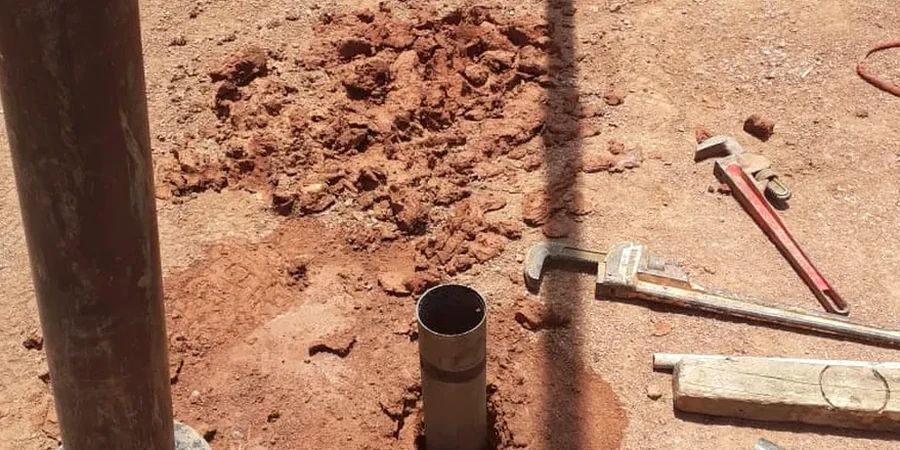
Cambridge sits on a deceptive geology: Gault Clay and Chalk Marl beneath the colleges, overlain by river terrace gravels along the Cam. This layering creates sharp permeability contrasts that desk studies miss. A test pit reveals the upper gravels, but quantifying flow through the underlying chalk requires direct measurement. The variable water table, perched in gravels and rising in winter, demands field tests over lab estimates. We use low-pressure Lefranc tests in soils and Lugeon tests in weak rock. Our equipment runs to BS 5930:2015 procedures, with data logged at 1-second intervals for transient response analysis. For clients in CB1–CB5, the priority is getting real conductivity values before specifying dewatering or grouting programmes. Cambridge's dense urban plots and narrow access lanes don’t faze the team.
A single Lugeon test in Cambridge chalk delivers more useful permeability data than a dozen lab permeameter samples, especially where fracture flow dominates.