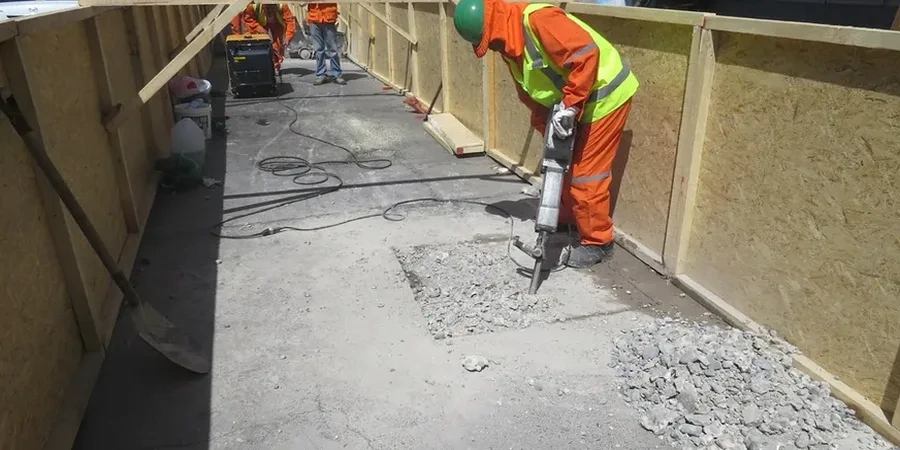
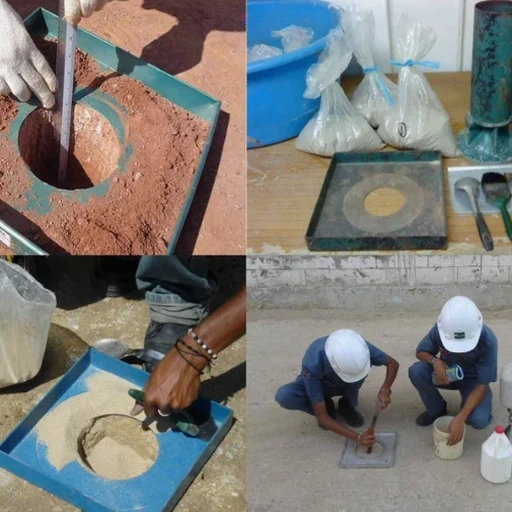
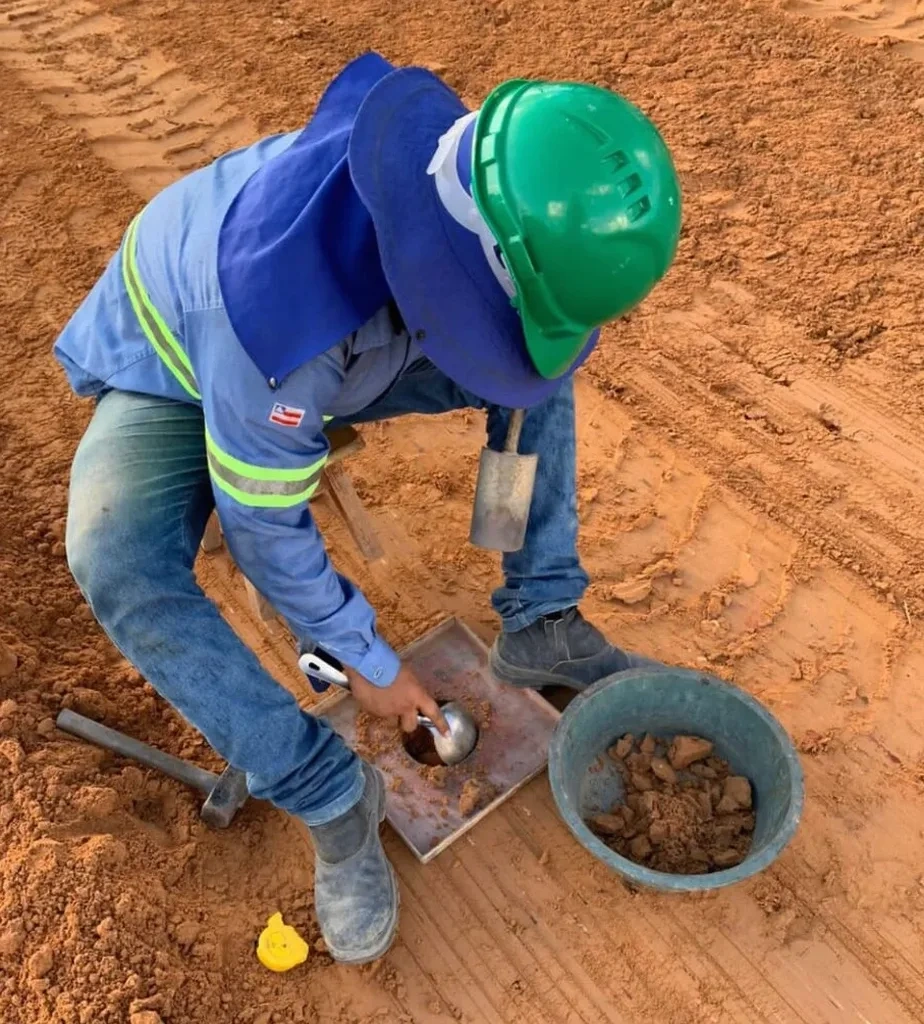
Cambridge grew from a Roman river crossing into a city where medieval colleges sit on floodplain gravels and modern science parks rise on Gault Clay. That contrast shapes our work daily. We run field density tests on sites where a 16th-century chapel stands 40 metres from a new lab building. The sand cone method gives us direct, reliable numbers for in-place density right at the surface. No lab delays. No indirect assumptions. Just a measured volume of calibrated sand telling us whether the compaction spec has been met. Many contractors here combine this with plate load tests when the structural engineer needs bearing capacity alongside density verification. In Cambridge, where the water table sits high and trench backfill can soften fast, getting the compaction right first time saves money and avoids rework.
A sand cone test doesn't lie. If the fill is 92% of maximum dry density, the numbers show it plainly, and you can sign off the lift with confidence.