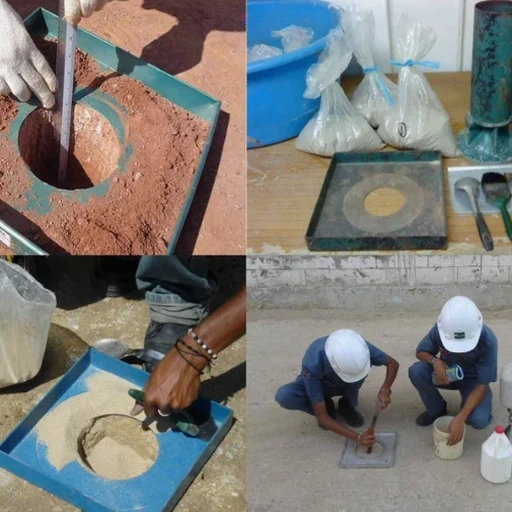
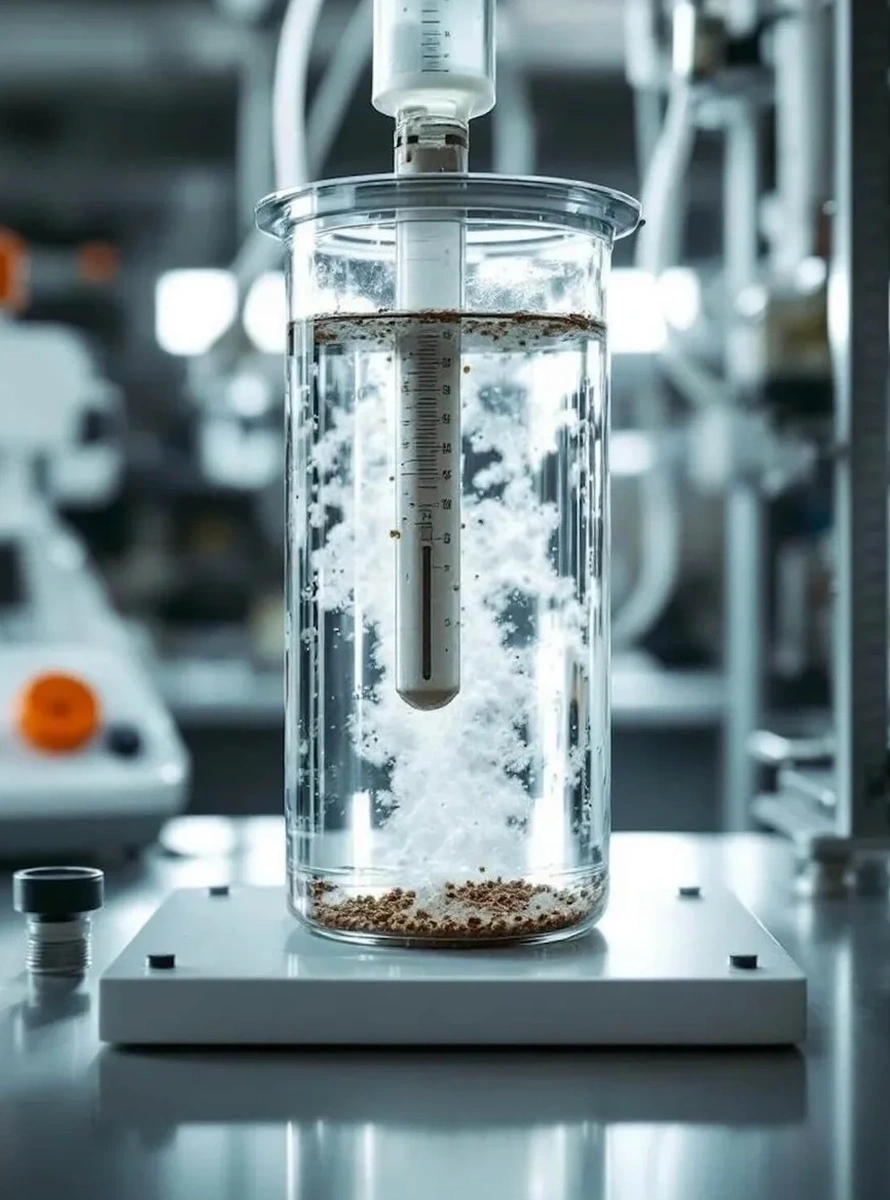
Cambridge sits on the Gault Formation and Lower Chalk, but the real challenge is the river terrace gravels and alluvial silts along the Cam. These deposits shift dramatically over short distances. A borehole log might show sandy gravel at 3m and soft silt at 5m. Without a full particle size distribution (PSD) you cannot predict drainage, frost susceptibility, or compaction behaviour. Our lab in the Cambridge area runs the complete grain size analysis sequence: coarse fraction by sieve stack per BS 1370-2, fine fraction by hydrometer sedimentation. The combined curve covers 63 mm down to the clay fraction below 2 µm. For road subgrades on the M11 corridor we often pair this with the CBR test to relate grading to bearing capacity. Where the natural silt content exceeds 35%, the Atterberg limits tell us if it is plastic silt or non-cohesive rock flour. Every result is traceable to UKAS-calibrated balances and glassware.
Our service areas